
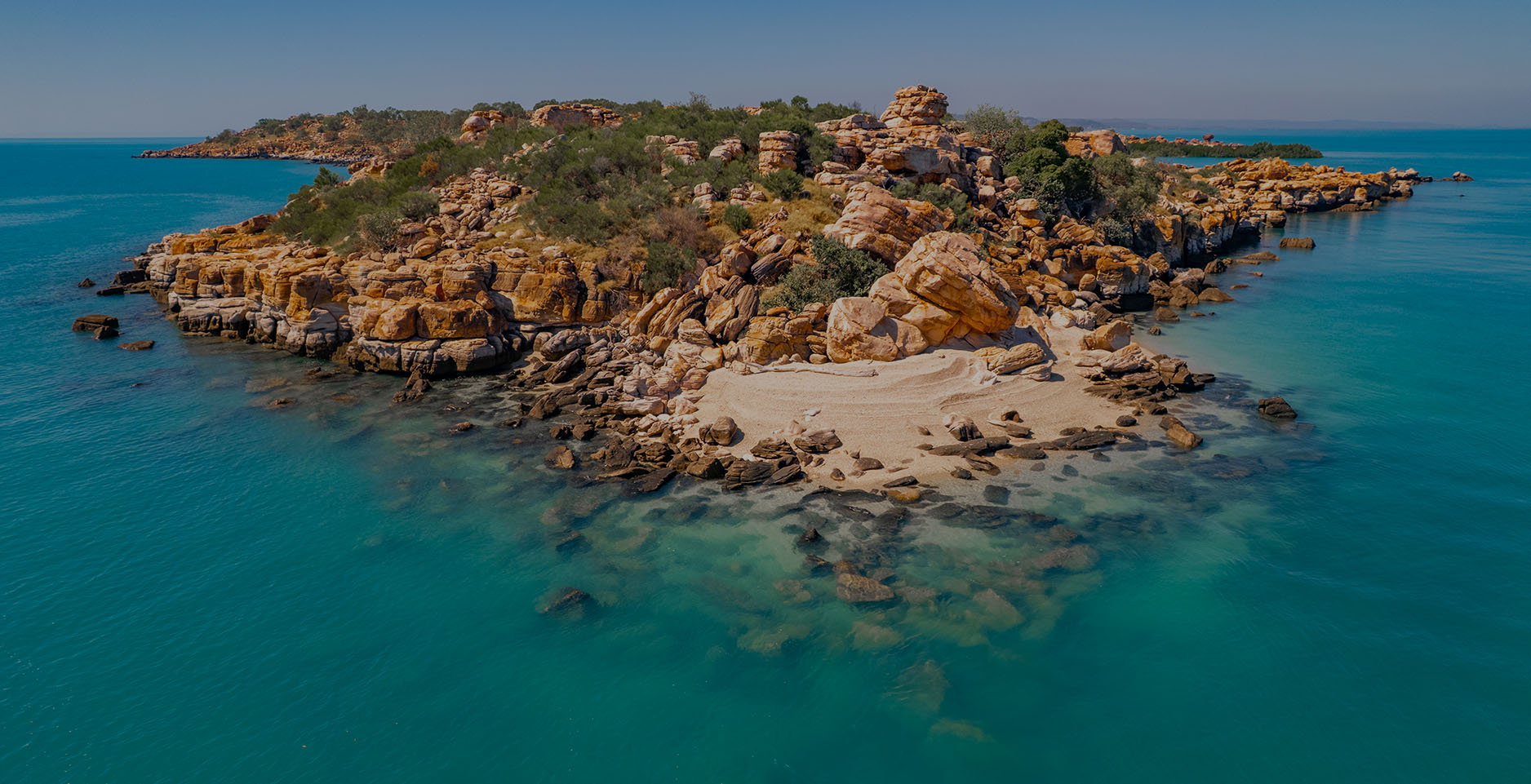
The Evolution of Photography in Australia: From Film to Digital
Photography has come a long way since its invention, and in Australia, the evolution of the craft has played a significant role in documenting the country’s stunning natural beauty. From the early days of film photography to the digital revolution, technological advancements have changed the way photographers capture Australia’s diverse landscapes and wildlife. As a photographer who has witnessed this transformation firsthand, I want to share how the evolution of photography has impacted my work and the way I capture Australia’s unparalleled natural beauty.
The Early Days: Film Photography in Australia
In the early days of photography, film was the only medium available for capturing images. The process of shooting on film was both an art and a science. Photographers had to carefully consider every shot, as film rolls were limited and each image had to be carefully planned. In Australia, this was a time when iconic photographers like Ralph M. Pugh and John G. Roberts used film to capture the country’s rugged landscapes and wildlife.
Film photography required a different mindset—each shot was precious, and you had to wait for the film to be developed before seeing the result. This often meant long waits for a photographer to see the fruits of their labor. But for many, including myself, there was a certain charm to this method. There was a tactile quality to the film that digital photography couldn’t yet replicate. Each frame was a unique moment frozen in time, captured with precision.
Australia’s wide, open spaces and dramatic coastlines offered incredible subjects for photographers during the film era. The vast desert landscapes, towering mountains, and iconic landmarks like Uluru were all subjects captured on film, immortalising Australia’s natural beauty for future generations.
The Shift to Digital: A Game-Changer for Photography
The introduction of digital photography revolutionized the way we approached capturing images. Unlike film, which required developing and printing, digital photography made it possible to instantly review images, adjust settings, and experiment with different compositions. This was a game-changer, allowing photographers to take more risks and try new things without the constraints of film limitations.
In the early 2000s, digital cameras began to dominate the market. The ability to capture high-quality images on a memory card and instantly view them on a screen was a breakthrough. Digital photography allowed me, as a photographer, to experiment more freely in the field, knowing I could adjust my settings, exposure, and composition with ease. I could instantly review the shot and make any necessary changes on the spot, which was something impossible with film.
The Digital Revolution and the Birth of the DSLR
As digital cameras improved, the advent of the DSLR (Digital Single-Lens Reflex) camera took photography to new heights. With interchangeable lenses, higher megapixel sensors, and better low-light capabilities, DSLRs opened up new possibilities for photographers to capture finer details and more vibrant colours. This was especially impactful for landscape and wildlife photography in Australia, where natural light plays such an important role.
With digital cameras, I was able to capture the fine details of Australia’s landscapes with precision. Whether it was the subtle textures of the outback’s red sands or the vibrant blues of the Great Barrier Reef, digital photography allowed me to bring out more of what I saw through the lens. The ability to shoot in RAW format also allowed me to have more flexibility during post-production, enhancing the colours and details to create stunning final images.
Advancements in Technology: The Rise of Mirrorless Cameras
In recent years, mirrorless cameras have emerged as a leading choice for photographers. These lightweight cameras offer high-quality image resolution and the flexibility of DSLR cameras, but without the bulk. The compact design of mirrorless cameras makes them ideal for capturing Australia’s diverse landscapes, from the remote outback to the densely vegetated rainforests of the east coast.
Mirrorless technology also enables faster autofocus and burst shooting, which is ideal for wildlife photography. With the rapid movement of animals and birds, having a camera that can capture those moments in sharp detail has made my work more efficient and effective.
Post-Processing: The Power of Digital Editing
One of the most significant advantages of digital photography is the ability to edit and enhance images after they’ve been taken. While film photography was restricted to the natural colours and tones captured on film, digital photography opened up a whole new world of post-processing. Programs like Adobe Lightroom and Photoshop allow photographers to adjust exposure, enhance colours, correct distortion, and even manipulate the image in creative ways.
As a landscape photographer, the ability to fine-tune my images digitally has given me more control over how I showcase the natural beauty of Australia. For example, adjusting the shadows to enhance the details of Uluru at sunset, or boosting the saturation of the Great Barrier Reef’s coral to make the colours pop, can create a more dynamic and visually appealing result.
Photography in the Digital Age: Instant Sharing and Global Reach
One of the most exciting aspects of digital photography is how it’s transformed the way we share and experience images. With social media platforms like Instagram, Facebook, and Flickr, photographers can share their work instantly with a global audience. This has helped bring awareness to the beauty of Australia’s natural landscapes and the need to protect them.
As a photographer, I’ve been able to share my images with people around the world, connecting with others who appreciate the beauty of Australia’s wilderness. It’s also helped raise awareness about environmental conservation. The more people see the magnificence of places like the Great Barrier Reef, the more they are likely to appreciate and want to protect these natural wonders.
The Future of Photography: What’s Next?
As technology continues to evolve, the future of photography looks incredibly exciting. With advancements in artificial intelligence (AI) and machine learning, the editing process is becoming faster and more intuitive. Drone photography is also allowing us to capture landscapes from unique perspectives, revealing hidden corners of Australia’s wilderness that were once impossible to access.
The future of photography will likely see even more groundbreaking advancements in camera sensors, imaging software, and editing tools. However, despite all the technological progress, one thing will remain constant: the ability of photography to capture the raw, unfiltered beauty of the world, especially the diverse landscapes of Australia.
Conclusion:
The evolution of photography in Australia—from the early days of film to the rise of digital photography and beyond—has transformed the way we capture and appreciate the country’s stunning landscapes. As a photographer, I’m grateful for the advances in technology that have allowed me to document the natural beauty of Australia in such detail. From the rugged mountains of Tasmania to the pristine beaches of the Great Ocean Road, every photo I take is a testament to the timeless beauty of this incredible country.
As technology continues to evolve, I look forward to seeing how it will further enhance the way we capture and protect Australia’s precious natural environments. Photography will always be a powerful tool for raising awareness, preserving memories, and inspiring action to protect the beauty of our world.

Leave a Reply